Celosia Plumosa Kimono F1 Seeds in Pakistan – Growing and Care Guide
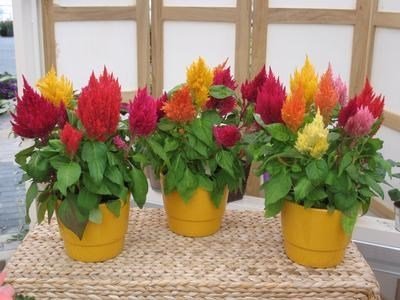
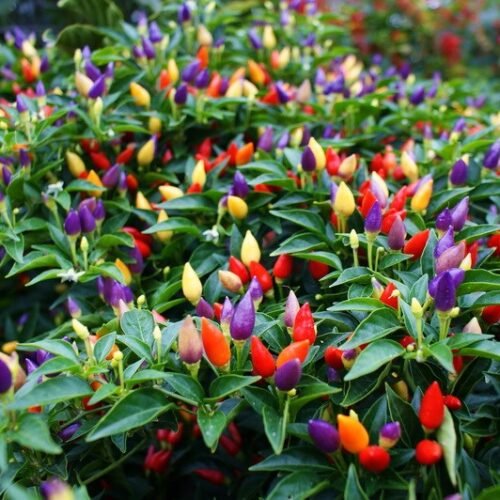
Celosia Plumosa Kimono F1 Seeds are ornamental flower seeds grown for compact colourful feathery plumes for pots and beds. This product is offered for decorative garden planting, not food production. The botanical group is Celosia argentea var. plumosa. Flower colours, plant height and flowering dates can vary with the seed strain, weather and growing conditions. The existing product listing does not confirm the packet seed count.
Product Details
Product
Celosia Plumosa Kimono F1
Botanical group
Celosia argentea var. plumosa
Ornamental feature
compact colourful feathery plumes for pots and beds
Packet information
Seed quantity not confirmed
Garden use
Seasonal beds, borders and suitable containers
Growing medium
Well-draining seed-starting mix and garden soil
Sunlight
Bright light and suitable outdoor sunshine
Why Choose Celosia Plumosa Kimono F1?
Gardeners choose this variety for its ornamental colour and seasonal display. It can be used alongside foliage plants and other warm-season flowers to create a layered garden bed. Proper spacing helps plants develop without excessive crowding. Flower colour and habit are influenced by the seed selection and local conditions.
Best Sowing Season in Pakistan
Plan sowing during suitable frost-free, warm weather. Lahore and other parts of Punjab generally have a long warm growing period, but extreme heat can stress young seedlings. Conditions vary across Pakistan, so select sowing dates using local temperatures, rather than a single fixed national calendar.
Step-by-Step Seed Sowing
Fill clean seed trays with fine-textured, free-draining seed-starting medium.
Moisten the mix before sowing to prevent small seeds from washing away.
Place seeds near the surface and cover only as appropriate for the variety.
Water gently with a fine mist and avoid standing water.
Keep trays in suitable warmth and check moisture regularly.
After seedlings emerge, provide sufficient light and ventilation.
Move sturdy seedlings to pots or garden beds after several true leaves develop.
Germination and Early Care
Germination depends on seed quality, moisture and temperature. Avoid assuming a guaranteed number of days or germination percentage. Keep the medium moist but not saturated. Protect delicate seedlings from heavy rainfall, drying winds and abrupt temperature changes.
If seedlings become crowded, thin them carefully. Handle young plants by the root ball rather than pulling their delicate stems. Check seed trays daily during hot weather because moisture levels can change quickly.
Sunlight and Temperature
Healthy flowering plants generally need adequate light. Acclimatise indoor or sheltered seedlings gradually to outdoor sunshine. Plants grown in insufficient light may develop weak stems or poor flowering. In severe heat, recently transplanted seedlings may benefit from temporary protection while they establish.
Soil Preparation and Drainage
Loosen the planting bed and remove weeds before transplanting. Use well-draining soil that allows roots to receive air as well as moisture. Mature compost can help improve poor soil structure. Avoid using waterlogged areas, especially during periods of heavy rainfall.
Watering Guide
Water young plants gently during establishment. Check soil moisture before irrigation, taking account of pot size, weather and soil texture. Both excessive dryness and persistent waterlogging can cause stress. Adjust watering after rain rather than using a fixed daily schedule in all conditions.
Transplanting and Spacing
Transplant seedlings after they become strong enough to handle. Leave enough room between plants for air movement and mature growth. Moving seedlings in the cooler part of the day can reduce immediate stress during warm weather. Water gently after planting and monitor new transplants closely.
Fertilizer and Maintenance
Begin with suitable soil, sunlight and watering. If plants need nutrients, use an appropriate garden fertilizer according to its label. Excess fertilizer can damage roots or encourage soft growth. Remove weeds, inspect leaves and stems regularly, and use pest-control products only according to locally approved label directions.
Growing in Containers
Choose pots with drainage holes and enough space for roots. Use a good potting mix and place containers in appropriate light. Container soil may dry faster than garden beds, especially during summer. Check moisture often but avoid leaving pots standing in water.
Common Problems and Solutions
Weak seedlings may be caused by insufficient light or overcrowding. Yellow leaves can indicate watering or drainage problems. Poor flowering may reflect unsuitable light, weather or nutrition. Examine growing conditions before applying treatments, and remove severely damaged plant material when appropriate.
Frequently Asked Questions
How many seeds are in a packet?
The current listing does not confirm a seed count.
Can I grow Celosia Plumosa Kimono F1 in Lahore?
Yes, in suitable warm, frost-free weather with appropriate sunlight and drainage.
Can these flowers grow in pots?
Yes, use containers with drainage holes and adequate growing space.
How often should I water?
Check soil moisture and adjust according to weather rather than following a rigid daily schedule.
When will flowers appear?
Flowering depends on variety, temperature, light and growing conditions.
Should I fertilize seedlings immediately?
Use suitable seed-starting medium first; apply fertilizer only when needed and at label rates.






Reviews
There are no reviews yet.